Introduction
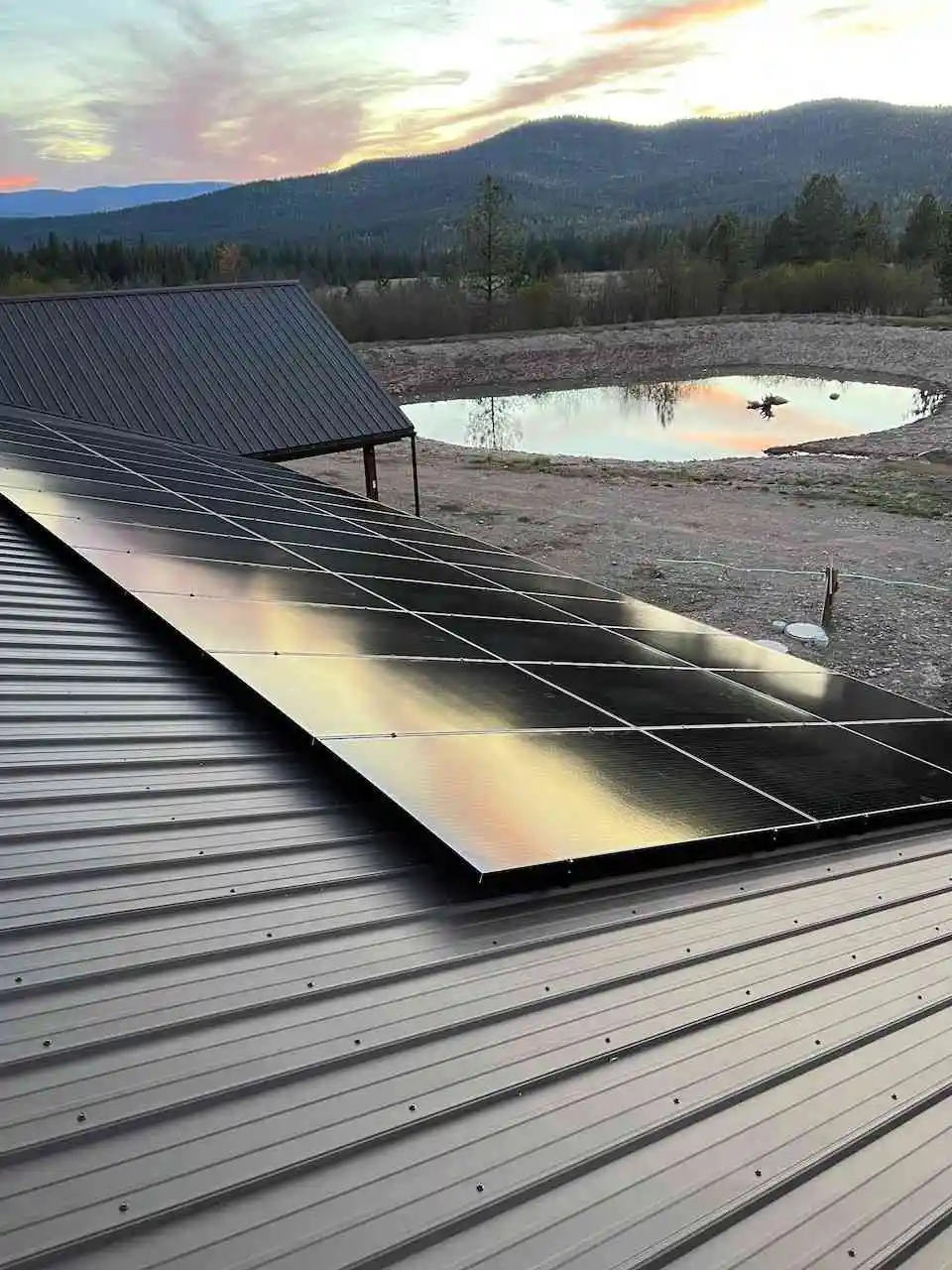
Living or working off-grid in Montana is about planning for winter first. Short days, deep snow, and long cold snaps mean your system has to be calm, predictable, and easy to live with. The recipe isn’t complicated, but the balance is important: solar panels for everyday energy, a battery bank to carry through short, grey winter days and quiet hours, a smart inverter to manage power, and a backup generator to handle storms and heavy usage.
Designing an Off-Grid System Around Your Real Power Needs
We start with how you’ll actually use the property. Weekend cabin or full-time home? A few lights and a fridge, or tools, pumps, and heating equipment? Those answers shape the size of the solar array and battery bank. We favor layouts that make winter easier—tilts that shed snow, wiring that’s protected and accessible, and equipment placed where you can service it without fighting drifts.
Modern off-grid systems rely on a “brains” unit—the inverter/charger—that turns battery power into clean household electricity and keeps everything in sync. Ours use proven platforms (we prefer Victron) that switch seamlessly, run quietly, and give you a simple dashboard on your phone. You can see state of charge, generator runs, and alerts without stepping outside in a storm.
Reliable Power Storage and Smart Generator Support
Batteries are where comfort really shows up. Today’s lithium-iron batteries store a lot of usable energy, recharge efficiently, and hold up well over time. In Montana, the key is protecting them from charging when it’s too cold and making sure they reach a full charge regularly. We take care of that with temperature-aware controls and settings that are tuned to your site so you don’t have to think about it.
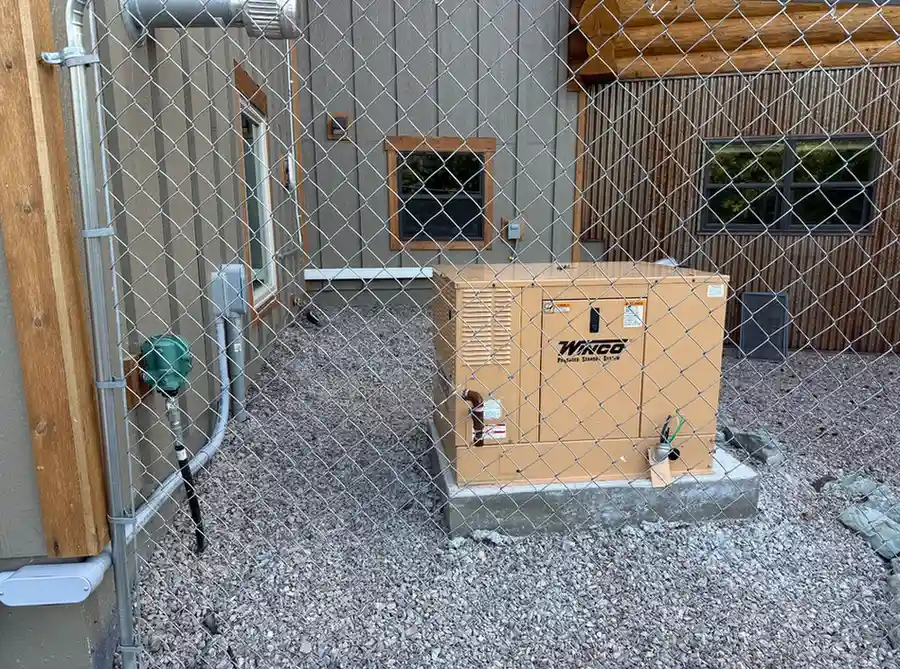
A generator rounds out the system. It’s there to bulk-charge the batteries and cover long gray stretches, not to drone on all day. We integrate auto-start with quiet hours and set it up to run for short, effective sessions that use less fuel. Propane, natural gas, or diesel all work—the choice depends on storage, service, and how the property is used.
Built for Reliability – Off-Grid Power That Just Works
Most problems with older off-grid systems trace back to the basics: batteries that never fully charge, fuel systems that can’t keep up on cold mornings, or wiring that’s hard to service. We design around those issues from the start. The result is simple: quiet nights, short generator runs, and confidence that winter won’t catch you off guard.
If you’re building an off-grid home, upgrading a cabin, or adding reliability to a ranch or shop, we can design and install a system that fits your routines and Montana’s reality—without asking you to become your own power plant operator.
Conclusion
Living off-grid in Montana means preparing for real winters, not ideal conditions. The right mix of solar, batteries, inverter controls, and a dependable generator turns that challenge into comfort and independence. At Glacier Power Solutions, we design systems that balance efficiency with reliability—so your lights stay on, your batteries stay healthy, and your generator only runs when truly needed. Whether you’re starting fresh or modernizing an older setup, our team can build an off-grid power system that works with Montana’s climate, not against it.Designing an Off-Grid System Around Your Real Power Needs